← Retour à la bibliothèque alimentaire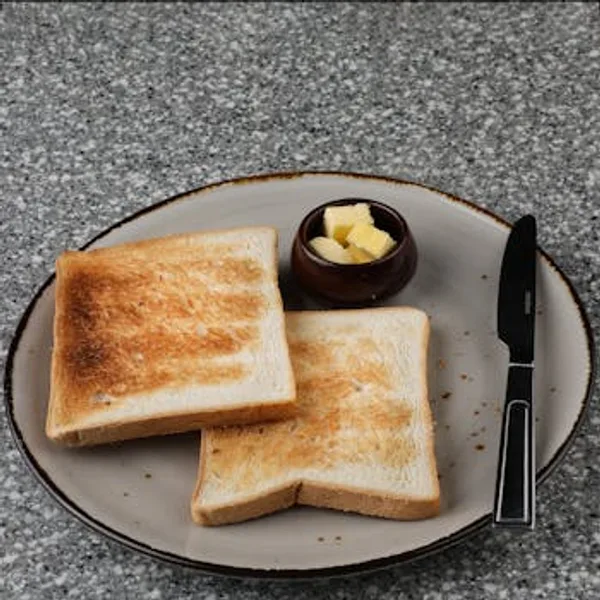
Жиры
Сливочное масло Combien de calories ?
Calculateur de calories
Calories
717
kcal
Protéines
0.8
g
Glucides
0.1
g
Lipides
81.1
g
= 100 gram
Valeurs nutritionnelles pour 100g
| Calories | 717.00 kcal |
| Protéines | 0.80 g |
| Glucides | 0.10 g |
| Lipides | 81.10 g |
| micro_cholesterol | 215.0 mg |
| micro_sodium | 11.0 mg |
| micro_potassium | 24.0 mg |
| micro_calcium | 24.0 mg |
| micro_vit_a | 684.0 μg |
Сливочное масло Informations sur
**Сколько калорий в сливочном масле и каковы его пищевые ценности?**
Сливочное масло, жемчужина турецкой кухни, символ вкуса и богатства, незаменимо на наших столах. Это натуральное лакомство, лежащее в основе наших традиционных вкусов, оставляющее незабываемые следы на нёбе своим уникальным ароматом и кремовой текстурой, сохраняет свое место на наших кухнях на протяжении веков. С широким спектром применения от завтраков до основных блюд, от выпечки до кондитерских изделий, сливочное масло не только придает вкус, но и повышает пищевую ценность блюд. Итак, какое место занимает это столь любимое и предпочитаемое сливочное масло в нашем рационе? Каков его вклад в наше здоровье с точки зрения энергетической ценности и профиля макроэлементов?
**Богатый пищевой профиль сливочного масла: Секрет энергии и сытости**
Сливочное масло — один из продуктов, выделяющихся своей высокой энергетической плотностью. Являясь богатым источником энергии, сливочное масло обеспечивает высокую энергетическую ценность около **717.00 ккал** на 100 граммов. Эта концентрированная энергия может быть мощным источником, особенно для тех, кто ведет активный образ жизни или имеет высокие потребности в энергии. Помогая вам оставаться бодрым в течение дня, оно также придает сытость вашим блюдам и поддерживает чувство насыщения.
Если мы посмотрим на макроэлементы, то жиры заметно выделяются в составе сливочного масла. Содержащее **81.10 грамма жира** на 100 граммов, сливочное масло предлагает богатый профиль с точки зрения здоровых жирных кислот. Эти ценные жиры способствуют накоплению энергии в организме, поддерживают функции клеток и, в частности, помогают усвоению жирорастворимых витаминов, таких как A, D, E и K. При умеренном потреблении качественное потребление жиров является важной частью здорового плана питания.
Содержание углеводов в сливочном масле довольно низкое; оно почти незначительно и составляет всего **0.10 грамма углеводов**. Благодаря этой особенности оно может быть идеальным выбором для тех, кто придерживается низкоуглеводных или кетогенных диет. Что касается белка, сливочное масло не вносит значительного вклада в эту группу макроэлементов, содержа всего **0.80 грамма белка**. Содержание клетчатки равно нулю, то есть сливочное масло естественным образом не содержит клетчатки. Таким образом, сливочное масло в первую очередь является источником энергии и жира, что делает его вкусным и сытным компонентом.
**Как мы можем использовать сливочное масло на кухне? Штрихи, которые поднимают вкус на вершину**
Сливочное масло позволяет вам раскрыть свой творческий потенциал благодаря его неограниченным возможностям использования на кухне. Вот аппетитные способы и предложения рецептов для включения сливочного масла в ваш ежедневный рацион:
1. **Звезда завтраков:** Чтобы энергично начать день, вы можете создать традиционный вкусовой праздник, добавив щепотку меда или варенья к сливочному маслу, намазанному на свежий хлеб. Небольшое количество сливочного масла, добавленное на сковороду при приготовлении менемена или омлета, придаст вашим яичным блюдам уникальный аромат и нежную текстуру. Качественное сливочное масло, добавленное в тесто для выпечки, такой как поача и ачма, придает им многослойный вкус и восхитительную консистенцию.
2. **Секрет вкуса основных блюд:** Сливочное масло, добавленное к рисовым блюдам, макаронам и овощным блюдам, придает им богатый вкус и блестящий вид. Особенно для того, чтобы рисовый плов был рассыпчатым и вкусным, сливочное масло, используемое на этапе обжаривания, незаменимо. Сливочное масло, которое вы будете использовать при приготовлении соте из мяса или курицы, придаст вашему блюду золотисто-коричневую корочку и глубокий слой вкуса. Горячее сливочное масло с мятой и хлопьями чили, добавленное в качестве последнего штриха к вашим супам, создает как визуальный, так и кулинарный праздник, поднимая ваше блюдо на вершину.
3. **Хитрость выпечки и десертов:** Во многих хлебобулочных изделиях, от печенья до тортов, от бёреков до теста для галет, сливочное масло совершенствует структуру и вкус продукта. Качественное сливочное масло необходимо для слоеной, хрустящей выпечки, тающего во рту печенья и пышных тортов. В ваших десертах, особенно кусочек сливочного масла, тающий на молочных десертах, обогащает аромат десерта, делая его более привлекательным и предлагая последний штрих вкуса.
При использовании сливочного масла убедитесь, что вы потребляете его сбалансированно и осознанно, чтобы в полной мере использовать его потенциал для улучшения вкуса и пищевой ценности продуктов. Откройте для себя новые вкусы с волшебным прикосновением сливочного масла в своих кулинарных приключениях и украсьте свои столы!
Portions
- 100 Gram = 100g
- 1 Tatlı Kaşığı = 5g
- 1 Yemek Kaşığı = 14g